Summer Waves: A Designer’s Review for Embroidery
As a professional designer who spends equal time behind a computer screen and an embroidery machine, I approach every new graphic asset with a healthy dose of skepticism. When evaluating Summer Waves, my first thought wasn't about how pretty it looks on a monitor, but how it will behave under a needle. This design is marketed as a T-shirt graphic with Adobe Illustrator CC compatibility and 300 DPI resolution, featuring 100 color-changeable vector shapes. While these specs are excellent for print, translating them into a successful machine embroidery design requires a critical eye. Here is my practical assessment of using this artwork for real-world stitching projects, from custom apparel to boutique merchandise.
First Impressions: Visual Mood and Vector Integrity
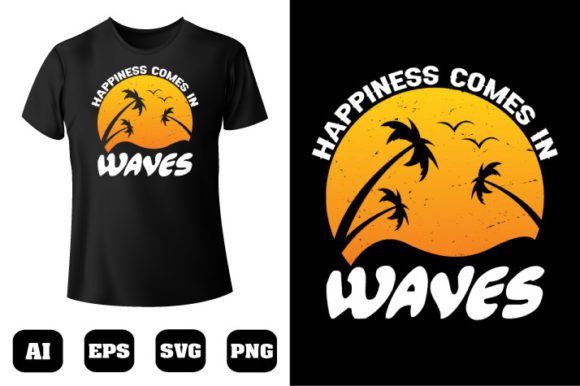
The immediate strength of Summer Waves lies in its fluidity. The aesthetic captures that quintessential seasonal nostalgia—relaxed, rhythmic, and organic. For an embroidery designer, the "100 vector shapes re-sizable" feature is the most critical selling point here. Unlike raster images that pixelate when scaled for different hoop sizes, true vectors allow us to adjust the art without losing edge definition. This is vital because clean edges in the digital file usually translate to cleaner satin stitch columns or running stitch outlines during digitizing.
The mood suggests versatility. It doesn't feel overly juvenile, nor does it feel stiffly corporate. It sits comfortably in the middle ground, making it appropriate for both teen fashion and adult resort wear. However, because it includes 100 changeable colors, there is a risk of over-complicating the palette. In embroidery, fewer colors often yield a more professional, high-end result. My initial review suggests identifying three to five core thread colors from the available options rather than utilizing all 100, which would create excessive jump stitches and production time.
Real-World Application: Stitching a Coastal Tote Bag
To truly judge this asset, I mentally applied it to a specific project: a natural canvas tote bag intended for a small shop product line. Canvas is unforgiving; it has a distinct fabric texture that can swallow fine details. Because Summer Waves is originally a T-shirt design, the lines might be optimized for smooth cotton jersey rather than heavy woven canvas.
In this scenario, I would utilize the vector scalability to thicken the wave elements slightly before digitizing. Thin, wispy lines that look elegant in Adobe Illustrator often become lost or fragile in a finished embroidered patch or tote bag design. By leveraging the editable AI file, I could convert delicate decorative accents into bolder fill stitch areas or compound satin stitches that stand up to the canvas weave. The goal is ensuring the customer sees the design clearly from a distance, not just when holding the bag inches from their face. This adaptability confirms the design's value for craft business owners who need one asset to work across multiple substrate types.
Navigating Fabric Challenges and Technical Limits
While the visual appeal is strong, users must exercise caution regarding where they place this design. As a graphics-first asset, Summer Waves likely lacks pre-programmed stitch compensation. If you are planning sweatshirt embroidery or working with stretchy knit fabrics, you cannot simply auto-digitize and hope for the best. Stretch fabrics distort, and without manual adjustment during the digitizing process, your perfect waves may end up looking warped after washing.
I also advise against using the full complexity of this design on curved surfaces like caps or on highly textured terry cloth towels. The intricate details inherent in a 100-shape vector illustration will get lost in the pile of a towel or distorted by the curve of a hat brim. For those items, isolate specific wave elements to create a simplified logo or monogram accent. Furthermore, if you are creating baby embroidery or items requiring frequent laundering, ensure your stitch density is balanced. Overly dense fill stitches derived from complex vectors can make garments stiff and uncomfortable, reducing the perceived quality of the handmade product.
Elevating Product Value and Customer Trust
For Etsy sellers and creative entrepreneurs, the presentation of the final product matters as much as the stitching itself. The high-quality 300 DPI specification of Summer Waves allows for exceptional printable mockups. Before committing thread to fabric, use the AI files to create realistic digital previews for your listings. This helps gauge buyer engagement and validates market interest without wasting stabilizer and thread.
However, trust is built on consistency. If your digital mockup shows crisp, vibrant waves but the physical embroidered patch looks muddy or sparse due to poor digitizing choices, customer satisfaction drops. Use this design to establish brand consistency by selecting a signature color palette from the 100 available options and sticking to it across your entire summer collection. Whether it is a personalized gift or commercial embroidery run, a cohesive look signals professionalism. The ease of editing means you can quickly swap accent colors to match school teams, wedding themes, or corporate branding without redrawing the art, significantly increasing your ROI on this single asset.
Essential Notes for the Embroidery Professional
Before adding Summer Waves to your production queue, please adhere to these practical guidelines to ensure success:
- Verify Licensing: Confirm whether your purchase includes rights for commercial embroidery and digital resale. Being "ready to print" does not automatically grant permission to sell finished embroidered goods or digitized files.
- Test on Scrap Fabric: Always run a test stitch-out on the exact material you intend to use. Check how the vector translates to stitch type and whether the stabilizer choice prevents puckering.
- Audit Small Details: Inspect the design at actual size. Elements smaller than 1mm in the vector file may need to be removed or enlarged to prevent needle breaks and thread bunching.
- Check Thread Contrast: Test the design in black and white mockups and on both light and dark fabric backgrounds. Ensure the wave definition relies on shape and texture, not just color contrast, so it remains visible on all garment colors.
- Confirm File Compatibility: While AI and EPS files are included, verify they open correctly in your specific digitizing software version before starting a rush order.
- Evaluate Washability: If using this for kitchen towels or baby clothes, test wash the sample. Complex vector-derived embroidery can sometimes shrink differently than the base fabric.
Summer Waves offers a robust foundation for seasonal collections, provided it is treated as a raw ingredient rather than a finished meal. Its vector nature grants the flexibility needed for professional results, but the transition from screen to stitch demands technical diligence. By respecting the relationship between digital art and physical thread, makers can transform this graphic into a standout embroidery project that delights customers and strengthens their brand identity.