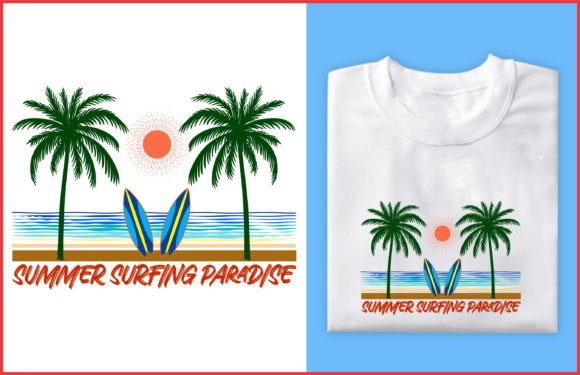
Summer Surfing Paradise Beach T-shirt Review
As a professional embroidery digitizer and product reviewer, I approach every new graphic with a specific question: will this actually stitch out well, or is it just a pretty picture on a screen? When evaluating the Summer Surfing Paradise Beach T-shirt design, my focus shifts immediately from its digital vector aesthetics to its practical viability as a machine embroidery design. This illustration captures a vibrant, nostalgic summer mood that is perfect for seasonal merchandise, but translating those clean vector lines into thread requires careful consideration of stitch density, fabric texture, and end-use application.
First Impressions and Visual Translation
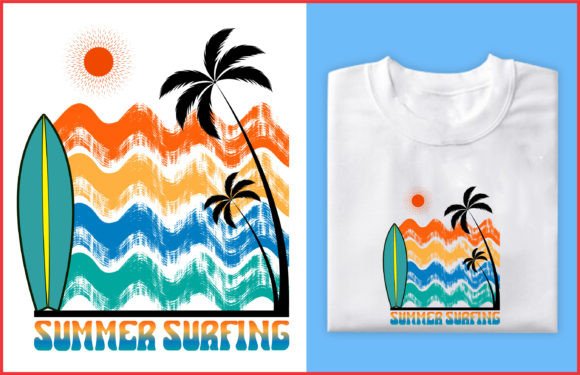
The initial appeal of this Summer Surfing Paradise Beach T-shirt graphic lies in its balanced composition. It avoids the cluttered chaos often found in generic beach clip art, offering instead a cohesive scene that suggests movement and relaxation. For an embroidery designer, this clarity is promising. The shapes appear distinct enough to be separated into logical color blocks, which is essential for minimizing jump stitches and maintaining registration during the stitching process.
However, because this originates as a vector illustration for T-Shirt Designs and Graphics, we must be mindful of detail reduction. Vectors can scale infinitely without loss, but thread has physical thickness. Elements that look crisp at 4 inches wide on a monitor may become muddy blobs when stitched at 2 inches. The success of this design as a handmade product depends entirely on respecting these physical limitations during the digitizing or editing phase.
Real-World Application: The Custom Tote Bag Test
To truly evaluate this asset, I mentally placed it in a real-life production scenario: creating a premium canvas tote bag for a coastal boutique client. This is a common request for Etsy sellers and small shop owners looking to expand their summer inventory. A tote bag offers a stable, medium-weight canvas that generally handles embroidery well, making it an ideal testing ground for this Summer Surfing Paradise Beach T-shirt motif.
In this context, the design serves as more than just decoration; it acts as a branding anchor. I envision placing the artwork centered on the front panel, roughly 6 inches wide. At this size, the surfing elements retain their personality without overwhelming the bag’s utility. For the water and sky areas, I would recommend using a light fill stitch with varied directionality to mimic wave movement rather than a flat tatami fill, which can look stiff on natural fibers. The surfboard and figure details would benefit from satin stitch borders to define edges against the textured canvas background.
This application highlights the commercial embroidery potential of the file. A finished tote bag featuring this design feels like a curated boutique item rather than a generic craft fair piece, provided the stitch quality supports the visual promise. Customers trust products where the embroidery complements the fabric rather than fighting against it.
Navigating Fabric Challenges and Hoop Limitations
While the tote bag scenario is ideal, many makers will want to use this design on apparel. Here, caution is necessary. If you are planning sweatshirt embroidery or custom apparel projects, remember that knit fabrics stretch and shift. The Summer Surfing Paradise Beach T-shirt design likely contains open spaces and fine lines that can distort if the stabilizer choice is inadequate. Always use a cut-away stabilizer for knits to prevent puckering around the design perimeter.
I strongly advise against using this specific artwork on baby clothes or lightweight performance tees unless you significantly simplify the file. Baby embroidery requires low stitch counts and soft backings to avoid irritating sensitive skin. A complex beach scene designed for adult T-shirts may be too dense or scratchy for infant wear. Similarly, dark fabrics present a contrast challenge. If the original vector relies on subtle shading or light colors, you may need to add an underlay base or adjust thread colors to ensure the design pops against navy or black garments.
For those considering cap or hat embroidery, assess the curve. Detailed landscapes often struggle on the curved surface of a structured cap. Unless the design is specifically digitized for hats with proper pull compensation, stick to flat surfaces like aprons, pillow covers, or tea towels where the Summer Surfing Paradise Beach T-shirt art can lie completely flat.
Impact on Product Value and Brand Perception
Using high-quality design assets directly correlates to perceived value. When a customer sees a well-executed embroidered patch or garment, they associate the precision with overall brand quality. This design, with its clear thematic focus, supports strong brand consistency for shops specializing in coastal, surf, or vacation niches.
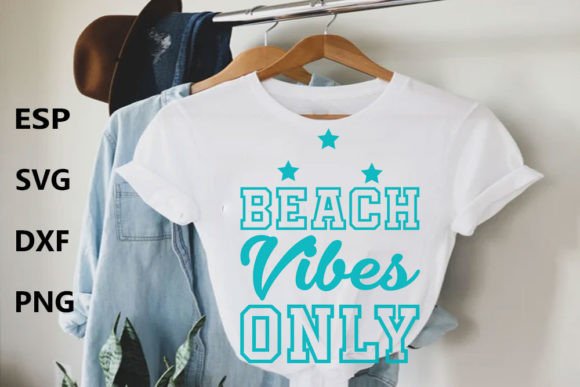
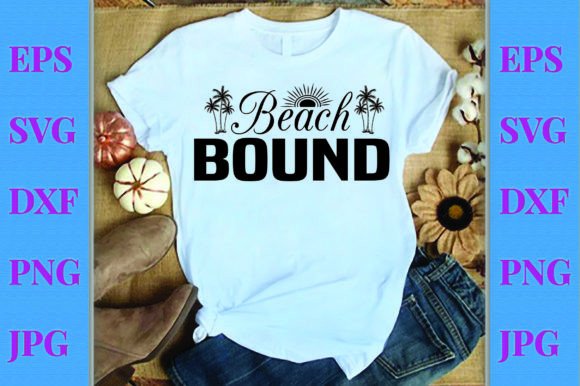
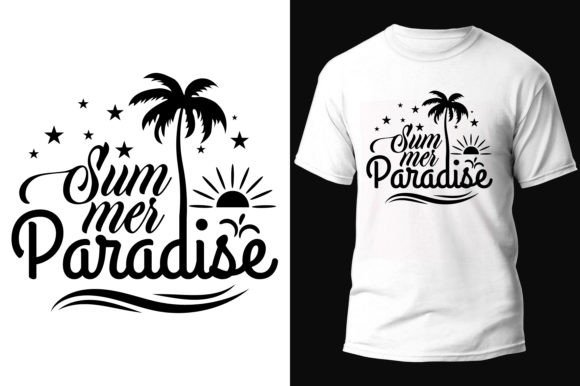
For digital product sellers and creative entrepreneurs, this graphic also serves as excellent source material for printable mockups. Before committing thread to fabric, create digital previews showing the design on various blanks. This helps validate market interest and ensures the layout works visually before you invest time in digitizing. However, always distinguish between your digital mockup and the actual finished product in your listings to maintain buyer trust and transparency.
Critical Technical Notes for Makers
Before you load this Summer Surfing Paradise Beach T-shirt file into your machine, please adhere to these professional best practices:
- Verify File Specifications: Since the product description identifies this as a vector illustration, confirm whether you are receiving a pre-digitized embroidery file or a graphic that requires digitizing. Do not assume compatibility without checking.
- Test Stitch Mandatory: Never run a new design on a final product first. Stitch it out on scrap fabric similar to your project material to check tension, density, and color transitions.
- Analyze Stitch Density: If digitizing yourself, keep total stitch counts reasonable for the intended hoop size. Overly dense areas on lightweight fabric will cause bulletproofing and drape issues.
- Check Licensing: Review the specific terms for commercial embroidery use. Ensure you have the right to sell finished physical products versus reselling the digital embroidery file itself.
- Color Matching: Vector colors are RGB/CMYK; thread colors are physical dyes. Select thread colors based on actual spools held against your fabric, not just the screen preview.
- Simplify for Small Sizes: If reducing the design below 4 inches, remove tiny text or intricate details that will not register clearly as stitches.
Making Informed Creative Decisions
The Summer Surfing Paradise Beach T-shirt design represents a strong starting point for seasonal collections, personalized gifts, and boutique merchandise. Its visual charm is undeniable, but its success as an embroidery project rests on your technical execution. By respecting the relationship between digital art and physical thread, testing thoroughly, and choosing appropriate applications, you can transform this vector illustration into a profitable and professional addition to your creative business. Whether you are crafting a single holiday gift or launching a full summer line, let practical judgment guide your needle.