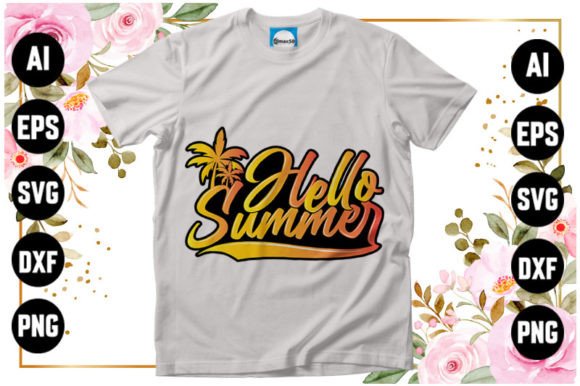
Summer Design: A Practical Embroidery Review
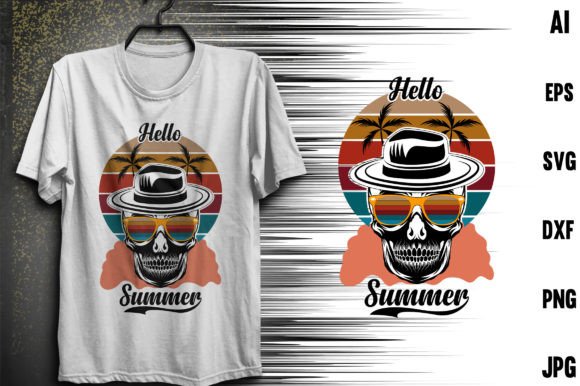
When evaluating a new machine embroidery design for production, my first question is always about versatility. Does the artwork translate from a digital screen to actual thread without losing its charm? The "Hello Summer" graphic presents an interesting case study for apparel decorators and small business owners. At 15 inches by 18 inches, this is not your standard left-chest logo; it is a substantial statement piece that demands careful planning regarding placement, stabilization, and end-use. As someone who regularly tests T-Shirt Designs for commercial viability, I approached this file with a critical eye toward how it performs in real-world stitching scenarios rather than just how it looks in a preview window.
First Impressions and Visual Weight
The immediate mood of Summer Design is bright, welcoming, and distinctly seasonal. For Etsy sellers and makers focusing on warm-weather merchandise, this aesthetic hits the right emotional notes. However, the sheer scale of the provided Graphics files requires us to think beyond standard hooping. When I load a design of this magnitude into my software, I am looking at line clarity and negative space. A 15x18 inch footprint suggests this was likely created as a high-resolution print asset (given the inclusion of 300dpi JPG, PNG, EPS, AI, and DXF files). For embroidery, this means we must verify if the vector paths are clean enough for digitizing or if they require significant cleanup before becoming a viable embroidery file.
Visually, the layout feels balanced for large-format applications. It avoids the cluttered look that often plagues oversized seasonal art. This openness is crucial because, in embroidery, empty space is just as important as stitched areas. It allows the fabric texture to breathe and prevents the garment from becoming stiff or heavy. If you are planning to use this for custom apparel, the design’s personality leans towards relaxed boutique wear rather than rigid corporate branding, making it ideal for lifestyle products.
Real-World Application: The Oversized Tote Test
To truly judge Summer Design, I mentally applied it to a recent client request: a heavyweight canvas tote bag intended for beach markets. This is where the 15x18 inch dimension makes sense. On a standard t-shirt, this size would wrap around seams and distort, but on a flat, sturdy tote, it serves as a perfect centerpiece. In this scenario, I envision using a combination of fill stitch for bold graphical elements and running stitch for finer details to keep the stitch count manageable.
For a project like this, the design acts as a primary selling point. Customers at craft fairs respond to bold, readable imagery from a distance. The "Hello Summer" theme provides instant recognition. However, because the provided files are high-resolution raster and vector graphics rather than pre-digitized embroidery formats, there is a necessary step of translation. You cannot simply hoop and stitch a PNG. You must either digitize these assets yourself or hire a professional digitizer to convert the vectors into a digital embroidery file. This extra step ensures that the stitch density is appropriate for canvas, preventing needle breaks or fabric puckering that can occur if print-ready art is auto-digitized without adjustment.
Navigating Fabric Limitations and Hoop Sizes
While Summer Design shines on large, stable surfaces, it requires caution elsewhere. I would advise against using this full-scale design on stretchy knits, lightweight rayon, or baby clothes unless you significantly resize it. A 15-inch wide design on a toddler’s onesie is structurally unsound; the weight of the thread will drag the fabric down, and the hoop size required would exceed most multi-needle or single-needle machine capabilities for garments.
If you intend to adapt this for sweatshirt embroidery or lighter summer tees, consider isolating specific elements of the design. Perhaps just the typography or a central motif works better at a 4x4 or 5x7 scale. This modular approach maximizes the value of your design assets. Always test on scrap fabric first. When working with dark fabrics, remember that light-colored threads on dark backgrounds require adequate underlay to prevent the fabric color from bleeding through the stitches. Conversely, on textured fabrics like linen tea towels, fine details may get lost, so simplifying the applique design elements or increasing column widths becomes necessary for legibility.
Commercial Viability and Product Value
For creative entrepreneurs, the inclusion of multiple file types (AI, EPS, SVG, DXF) adds immense value beyond just embroidery. These formats allow you to create cohesive product lines. You could offer a matching set: an embroidered tote bag using the digitized version and a sublimated cooler using the original 300dpi PNG. This consistency builds brand trust and elevates the perceived value of your handmade product line.
However, a word of caution regarding licensing: always confirm the commercial terms before selling finished items. While the file package is robust, ensuring you have the right to sell commercial embroidery products derived from these graphics protects your business. From a marketing perspective, the transparent PNG and high-res JPG are excellent for creating printable mockups. Showing customers a realistic preview of the Summer Design on a sweatshirt or apron before you even stitch a single thread can significantly increase conversion rates and reduce wasted materials on unpopular concepts.
Essential Technical Checklist for Makers
Before committing Summer Design to a final embroidery project, run through this practical checklist to ensure professional results:
- Verify Digitization: Confirm whether you are receiving a stitch file or a graphic file. Since the description lists image and vector formats, assume you must digitize or outsource digitization before stitching.
- Check Hoop Compatibility: Measure your maximum embroidery area. A 15x18 inch design exceeds many standard hoops. Plan for re-hooping or splitting the design if your machine cannot handle the full width.
- Stabilizer Selection: For a design of this potential density, use a high-quality cut-away stabilizer for knits and tear-away for woven canvas. Do not skimp here; large designs cause significant fabric distortion without proper support.
- Thread Contrast Testing: Stitch out a small section in black and white to check contrast. Summer themes often use analogous colors that might blend together too much in thread form compared to ink.
- Washability Check: If this is for a personalized gift or item requiring frequent laundering, ensure the digitizing includes adequate lock stitches and trims to prevent unraveling over time.
Final Thoughts on Production Readiness
Summer Design offers a vibrant foundation for seasonal collections, provided you respect its scale and format. It is best suited for makers who understand the bridge between digital graphics and textile art. Whether you are creating a signature tote bag design for your shop or preparing holiday embroidery samples for early summer sales, success lies in adaptation. Treat the provided files as high-quality raw ingredients rather than a finished meal. By carefully managing fabric texture, verifying stitch density, and leveraging the versatile file formats for both physical and digital presentation, you can transform this cheerful greeting into a profitable, professional-grade product that resonates with buyers looking for authentic summer style.